
Dry, gritty or tired eyes? Let’s find out why.
Dry eye has many causes, and the right care depends on which one is behind yours. Our optometrists with a special interest in dry eye look closely at your tears, eyelids and eye surface, then build a plan with you, from simple home care to in-clinic treatments.
What is dry eye?
Every time you blink, a thin film of tears spreads across your eye to keep it smooth, clear and comfortable. Dry eye (also called tear film disorder or dry eye disease) happens when that film doesn’t do its job: there aren’t enough tears, the tears evaporate too quickly, or they drain away too fast.
When the tears don’t protect the surface of the eye, it can become irritated and inflamed. That’s why dry eye can feel like many different things, from grittiness and burning to blurry vision that comes and goes, or even watery eyes.
Dry eye can be mild and short-lived, or it can be a long-term condition that needs ongoing care. Finding the cause is the first step.
The three layers of your tear film
A problem with any layer can cause dry eye. One of the most common is blocked or under-active oil glands (meibomian gland dysfunction, or MGD).
Symptoms, triggers and risk factors
Common symptoms
- Stinging, burning or a scratchy, gritty feeling
- Redness and irritation
- Watery eyes or excess tearing
- Blurred or fluctuating vision
- Heavy, tired eyelids or eyelid twitching
- Light sensitivity
- Contact lenses that become uncomfortable
Things that can make it worse
Risk factors
- Age and hormonal changes
- Some medications, such as antihistamines, antidepressants and some glaucoma drops
- Autoimmune conditions, such as Sjögren’s and lupus
- Diabetes and thyroid disease
- Skin conditions, such as rosacea and psoriasis
- Contact lens wear
Your dry eye assessment
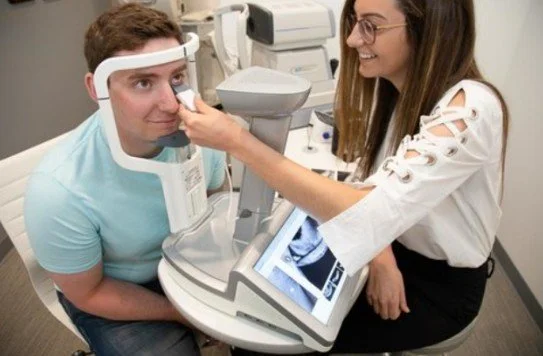
A dry eye assessment is a dedicated appointment, separate from a standard eye test. We look at your symptoms, your tears, your eyelids and the surface of your eye, so we can work out what kind of dry eye you have.
- Your storyQuestionnaires about your symptoms, health, allergies, and the drops and medicines you use.
- Your tearsTests of how much tear you make and how stable your tear film is.
- Your oil glandsHigh-resolution imaging of the oil glands in your eyelids with LipiScan™.
- Your eye surfaceDye tests to map dry areas, a check of your blink, eyelid position and tear drainage, and corneal sensitivity if needed.
- Your planClinical photos to track progress, and a written plan with a review schedule. We’ll coordinate with your GP or an ophthalmologist if needed.
Treatments we offer
Dry eye is often long-term, so most plans combine care at home with treatments in the clinic. Your optometrist will talk you through which options suit your type of dry eye, and which don’t.
InMode Envision
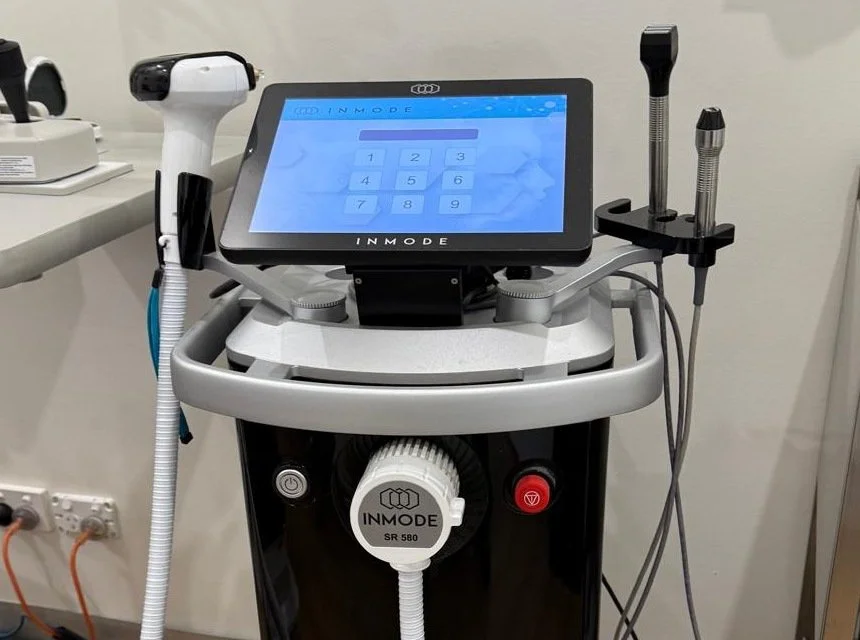
InMode Envision has been part of our Dry Eye Clinic since it opened in September 2024.
Radiofrequency (Forma-I) to warm the eyelid glands, and intense pulsed light (Lumecca-I) for eyelid inflammation in suitable skin types. Chosen after your dry eye assessment and performed by our optometrists.
Blephasteam®
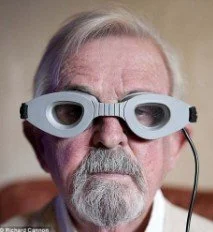
Controlled, moist warmth for the eyelids to soften thickened oil in blocked glands.
Learn more →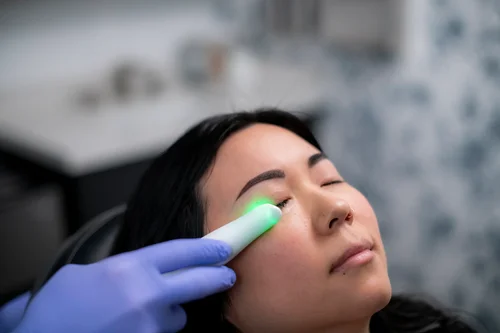
Professional lid clean
An in-clinic clean of the eyelid margins to remove debris and build-up.
Learn more →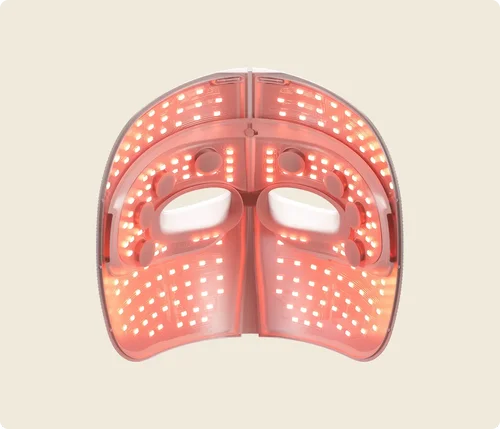
Low-level light therapy
A light mask treatment used in some plans for eyelid gland function and inflammation.
Ask us at your assessment →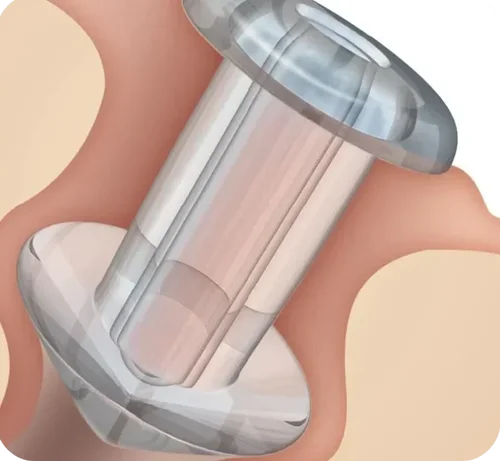
Punctal plugs
Tiny plugs placed in the tear ducts to keep your own tears on the eye for longer.
Learn more →Prescribed treatments
Where needed, your optometrist may prescribe medicated eye drops, such as anti-inflammatory or antibiotic drops, as part of your plan.
Discussed at your assessmentTreatments are suggested only after an assessment. Not every treatment suits every person or type of dry eye.
Looking after your eyes at home
Home care is part of almost every dry eye plan. Depending on your type of dry eye, this may include:
- Lubricating eye drops, gels or sprays
- Warm compresses and gentle eyelid massage
- Daily eyelid hygiene
- Nutritional supplements, such as omega-3
- Screen breaks and blinking exercises
Not sure which product?
The products in our shop are the ones we use in the clinic. If you’re not sure where to start, book an assessment and we’ll tell you what suits your eyes, and what you don’t need.
When to call us straight away
Call us on 07 3399 4848 the same day if your eye is painful, very red, sensitive to light, if your vision changes suddenly, or if only one eye is affected. After hours, see your GP or an after-hours clinic. In an emergency, call 000.
Ready to get to the bottom of it?
Book a dry eye assessment at 760 Wynnum Road, Morningside, or call and we’ll find you a time.
General information only, not a diagnosis. Always read the label and follow the directions for use.