
SERVICES
Common Vision Problems
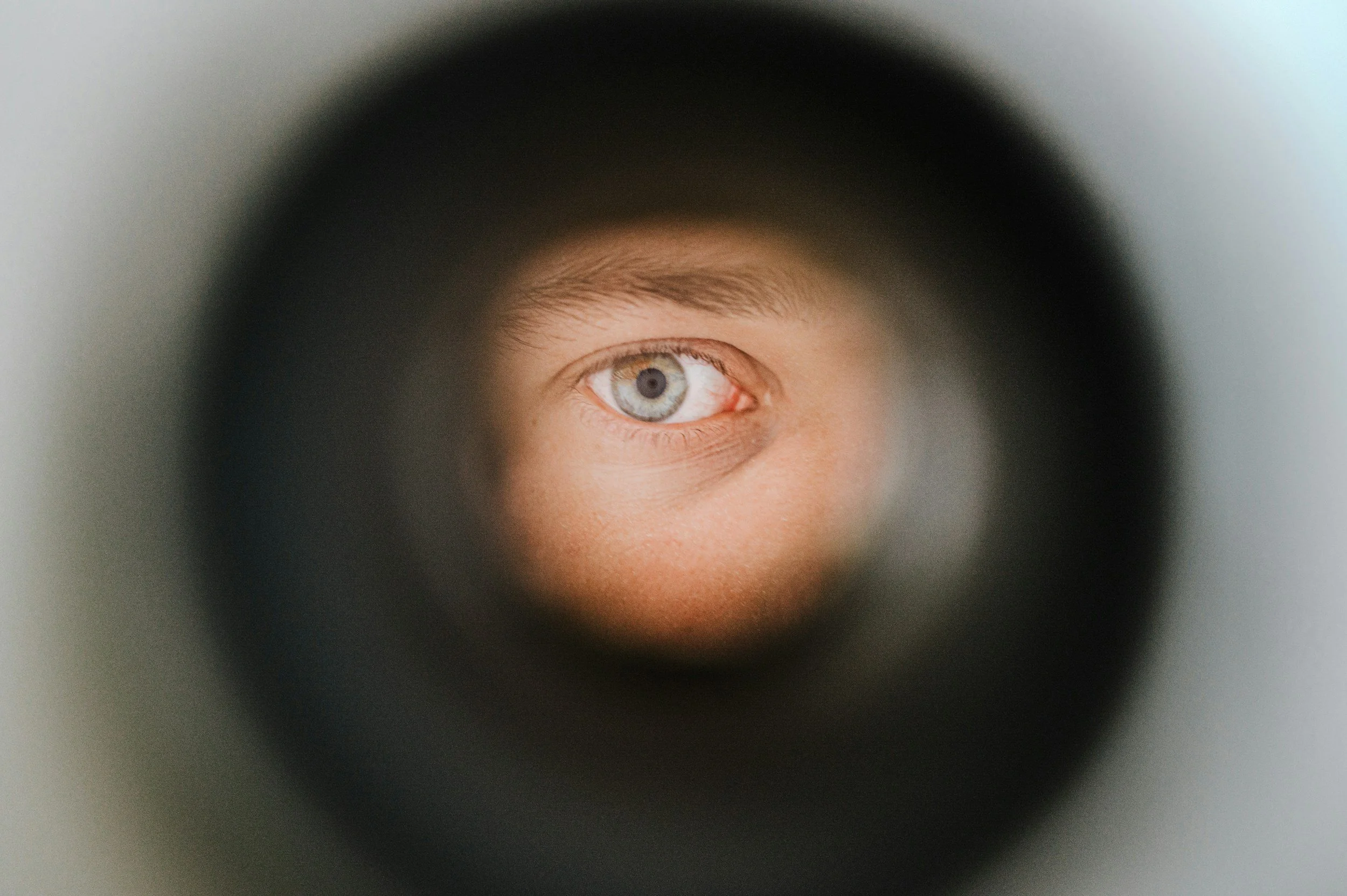
Common Signs of a Vision Problem
Recognising early signs of vision issues can help prevent long-term complications. If you experience any of the following symptoms, it’s time for a comprehensive eye examination:
Blurred or fluctuating vision — especially if it worsens later in the day
Double vision or difficulty focusing on near or distant objects
Headaches, dizziness, or nausea during or after reading
Poor coordination — tripping, misjudging distances, or bumping into things
Difficulty driving at night or in wet, low-contrast conditions
Visual disturbances, such as flashes of light, floaters, or shadows
Eye irritation, strain, or discomfort after prolonged screen time or visual tasks
Common vision problems include:

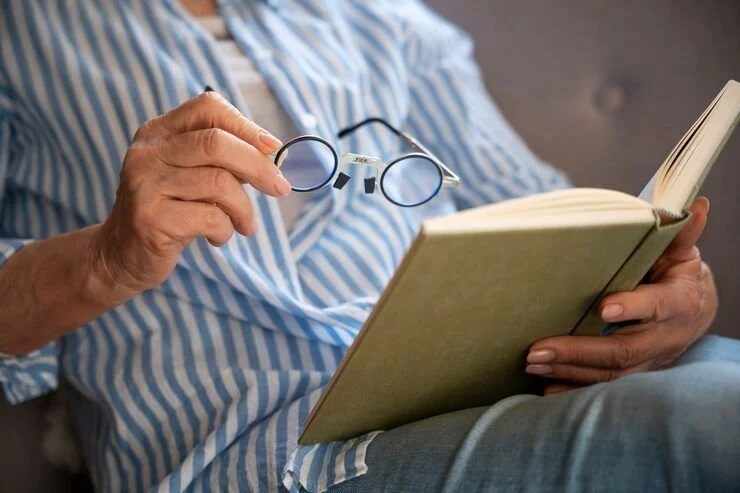
Presbyopia
After 40 most people experience difficulty reading clearly and need to hold things further away to see. This leads to the common complaint “My arms are not long enough”. Presbyopia is caused by the lens in the eye becoming stiffer and less flexible and is part of the normal aging process.
Eyewear solutions include reading glasses, extended focus reader, multifocals and contact lenses.
Hyperopia (Long-sightedness)
Hyperopia (long-sightedness) occurs when vision is blurry due to a shorter eye length or incorrect eye power.
This causes the eye to strain to compensate and see clearly. The greatest strain and blurry vision occur for close objects, but distance objects can be blurred too.
In children hyperopia is a common cause of reading difficulties and can easily go undetected without an eye exam.
Eyewear solutions include single vision glasses, reading glasses, extended focus reader, multifocals and contact lenses.

Myopia (Short-sightedness)
Myopia (short-sightedness) occurs when the eye increases in length or the lens power becomes too strong.
Far away objects become blurry affecting driving, TV and the whiteboard at school. This is an eye problem that can progress, so the correct treatment and optometrist advice is important.
Eyewear solutions include single vision glasses, soft multifocal, contact lenses and orthokeratology.

Astigmatism
Astigmatism is a common vision problem that causes distortion and blurriness when viewing objects at both near and far distances.
Astigmatism is more noticeable at night as it's effect is increased with larger pupils in dimmer light. Individuals with astigmatism commonly notice flare or a doubling effect from streetlamps or headlights.
Eyewear solutions include single vision glasses and contact lenses.

Digital Eyestrain
Discomfort and tired eyes are common symptoms of eyestrain.
The effort required to keep a computer screen or paperwork clear causes eye fatigue, especially when combined with screen glare or poor lighting. Computer related eyestrain can occur in children too, due to screen based technology like tablets and smart phone.
Eyewear solutions include reading glasses, extended focus reader, lubricating eye drops and multifocals.
Convergence Problems
To have clear reading vision both your eyes must aim at precisely the same place.
Inaccurate eye alignment can cause discomfort, tired eyes, reading difficulties, and double vision. See our optometrists to discuss treatments, including glasses and eye exercises.

Amblyopia (Lazy Eye)
Amblyopia (lazy eye) occurs when one eye does not develop clear vision,
due to an eye turn (strabismus) or a large uncorrected glasses prescription.
The younger this is detected and treated the better the outcome. Treatments may include glasses, eye exercises, patching one eye and eye alignment surgery.

Colour vision deficiency
Colour vision deficiency is usually inherited and more common in males (8%). It is much rarer for females to have a colour deficiency (0.5%).
Colour defects can also be acquired through diseases like macular degeneration, glaucoma, diabetic eye disease and stroke/accident. Colour defects can affect career opportunities in the defence force, aviation, electrical and maritime industries.