
SERVICES
Children’s Vision
Children’s Vision at Eyedeal Optometrist -Why We Look Beyond the Standard School Vision Screening
Many parents assume a school vision screening or a basic chart reading means their child’s vision is perfect. However, basic screenings primarily test distance visual acuity, missing up to 80% of functional vision issues such as eye-tracking delays, depth perception errors, and focusing strain.
Because 80% of early classroom learning is visual, hidden eye conditions are frequently misdiagnosed as attention deficits or learning difficulties. As a clinical-first independent practice, we don't treat eye care as a retail transaction. We assess the entire visual system to ensure your child has the developmental foundation needed to thrive.

Milestone Eye Exams: The Recommended Timeline
Children's eyes develop rapidly. Early intervention prevents long-term developmental setbacks:
Infants (6 to 12 Months): We evaluate basic structural eye health, tracking skills, and early signs of crossed eyes or high prescriptions.
Toddlers (Age 3 to 4): A critical window to identify and correct conditions like amblyopia (lazy eye) and strabismus before school begins.
School-Aged Kids (Prep onwards): Annual comprehensive exams monitor vision changes alongside academic and digital demands.
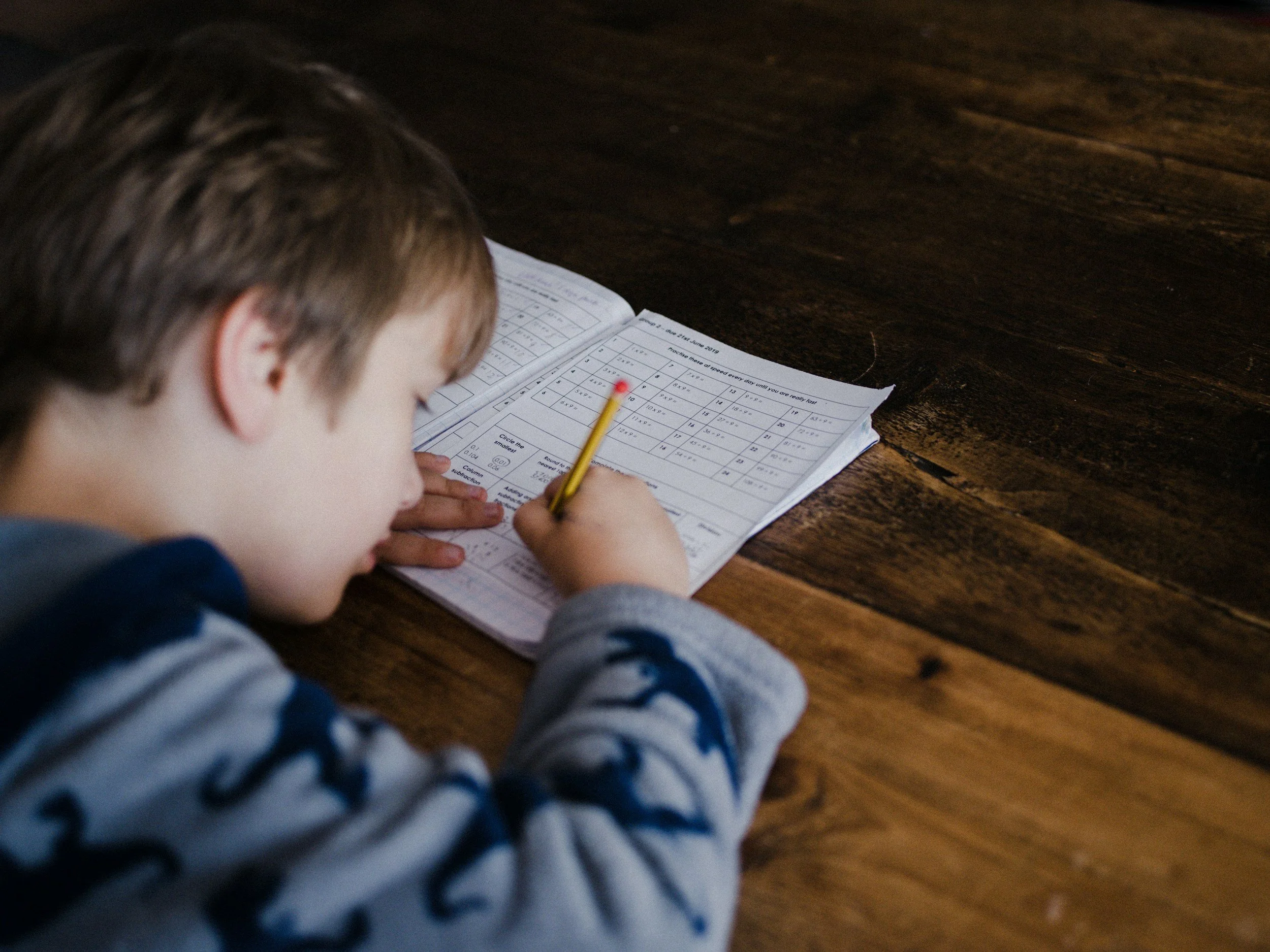
Our Children’s Eye Care Services
Comprehensive Developmental Assessments
Our children's eye exams go far beyond checking for a glasses prescription. We test:
Accommodation (Focusing Flexibility): How quickly your child’s eyes adjust focus when looking up at a whiteboard and back down to a desk.
Binocular Vision (Eye Teamwork): Ensuring both eyes align perfectly to prevent double vision and accurately judge depth.
Ocular Motor Skills (Tracking): The ability to smoothly follow a line of text across a page without losing place.

Red Flags Checklist: What to Watch For
If your child exhibits any of these subtle warning signs, schedule a developmental eye evaluation:
Physical Signs: Chronic eye rubbing, frequent blinking, squinting, or turning/tilting the head to read.
Academic Warning Signs: Using a finger to keep their place on a page, skipping lines, holding reading material unusually close, or avoiding close-up work entirely.
Physical Fatigue: Complaining of headaches, burning eyes, or unexplained fatigue after a school day.
Behavioral Indicators: Sudden drops in reading comprehension, unexpected behavioural frustration with homework, or a short attention span during visual tasks.

Advanced Myopia Control & Management
Nearsightedness (myopia) is a progressive eye growth condition, not just a need for stronger glasses. Left unmanaged, severe myopia increases long-term health risks like retinal detachment later in life. As a dedicated myopia management clinic, we provide evidence-based pathways to actively slow down prescription changes:
Myopia Control Spectacle Lenses: Cutting-edge lens technologies (such as Hoya MiYOSMART) that provide crisp central vision while managing peripheral eye growth.
Dual-Focus Contact Lenses: Soft, comfortable daily contact lenses (like CooperVision MiSight) clinically proven to decelerate myopia progression in active children.
Orthokeratology (Ortho-K): Custom-designed therapeutic night lenses that gently reshape the cornea during sleep. Your child removes them in the morning for crisp, clear vision all day without the need for glasses or daytime contact lenses.